
.svg)


.png)
cylib and Vianode are joining forces to close the loop on battery graphite
Aachen, Germany / Oslo, Norway, 2 June 2026 – cylib, a specialist in sustainable battery recycling and graphite recovery, and Vianode, an advanced battery materials company, have signed a memorandum of understanding (MOU) outlining a collaboration on the development and potential future supply of recycled graphite for next-generation batteries, with cylib supplying high-quality recycled graphite concentrate and Vianode developing and validating its use in anode materials through testing and pilot-scale evaluation.
Under the MOU, the companies will explore opportunities to integrate graphite concentrate recovered and produced through cylib's proprietary OLiC (Optimized Lithium and Graphite Recovery) technology into Vianode's next-generation anode production. The collaboration aims to strengthen European material independence and reduce the carbon footprint across the battery value chain.
Closing the loop
cylib will focus on recovering and producing high-quality graphite concentrate from recycled battery materials and establishing a robust supply chain capable of meeting defined quality and purity requirements for anode production.
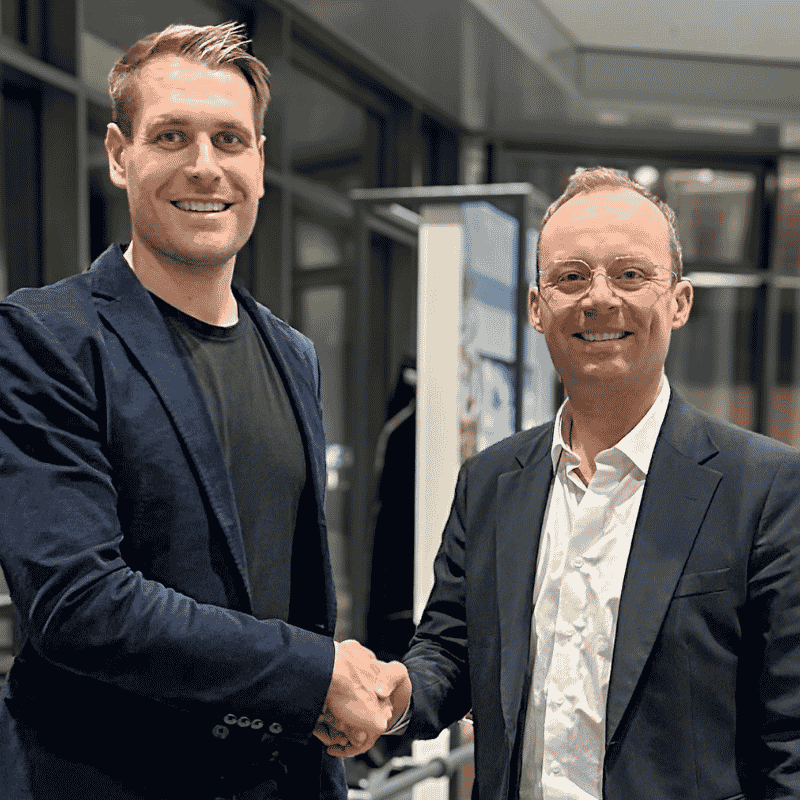
"Vianode brings advanced anode expertise; we bring proven recycled materials," said Dr. Lilian Schwich, Co-CEO & Co-Founder at cylib. "Together, we're showing that circular doesn't mean compromise. It means competitive advantage for Europe."
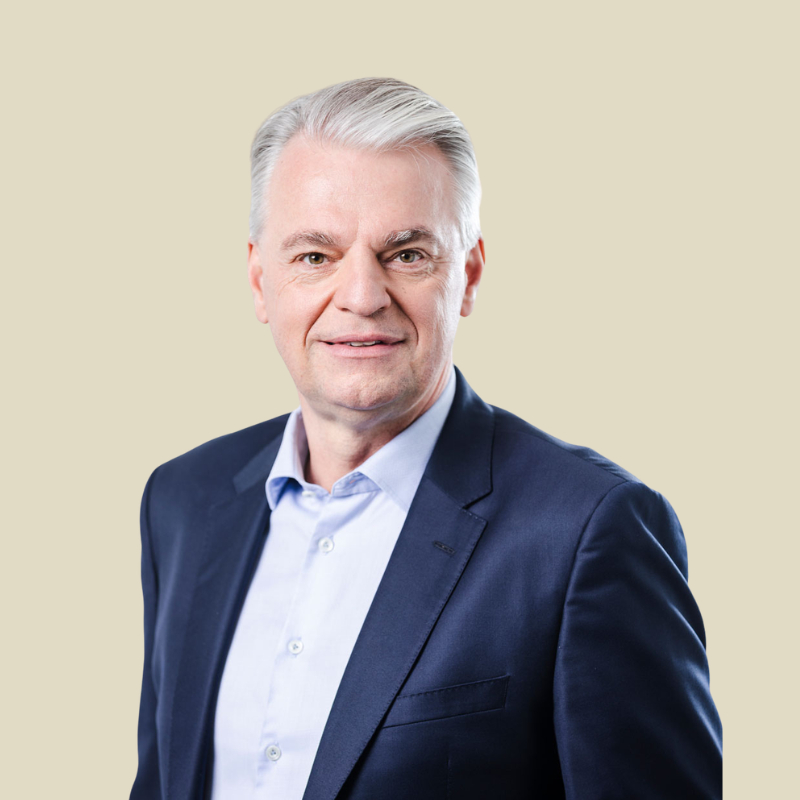
"Closing the loop on battery materials is essential for building a truly sustainable battery value chain," said Burkhard Straube, CEO at Vianode. "By collaborating with cylib on the integration of recycled graphite into advanced anode materials, we aim to strengthen circularity for battery graphite, reduce reliance on virgin raw materials, and support the EU's ambitions for a more resilient, low-carbon battery ecosystem."
Subject to further evaluation and successful outcomes, the parties intend to negotiate a commercial agreement targeting sustainable and competitive deliveries of recycled graphite concentrate.
Proven technologies
Vianode's synthetic anode graphite is produced with around 90% fewer CO₂ emissions than today's standard materials and is designed to meet the performance demands of leading EV and battery manufacturers. With its recycled graphite, Vianode takes an important next step toward achieving the emission target of 1.0 kg CO₂e per kg graphite by 2030.
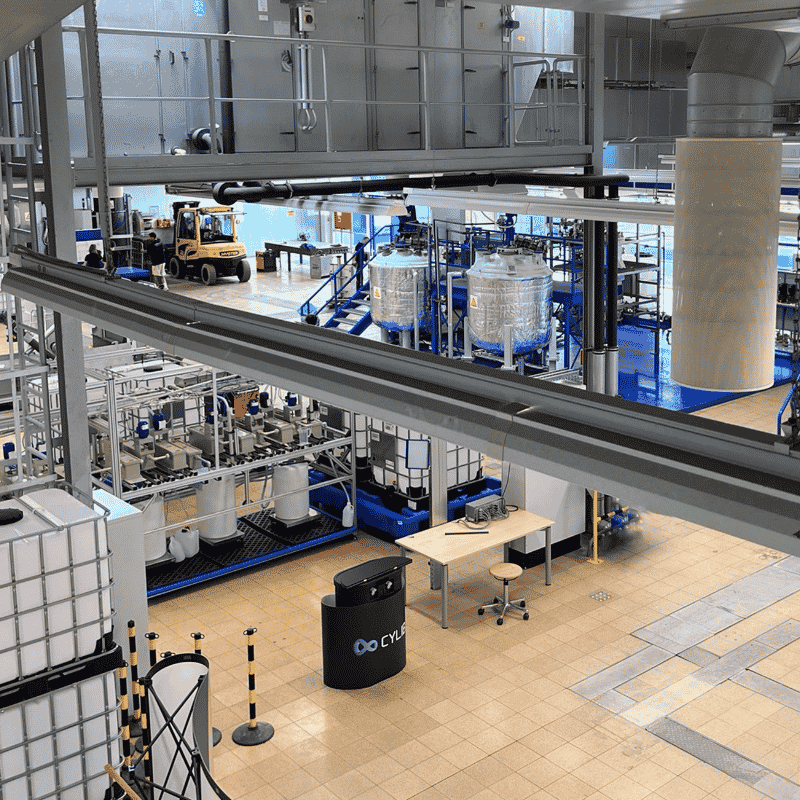
cylib's water-based OLiC (Optimized Lithium and Graphite Recovery) technology achieves over 90% recovery rate for lithium, graphite, nickel, cobalt, and manganese, with an 80% reduced carbon footprint compared to primary extraction. The technology is designed to process multiple battery chemistries and enable circular material flows at industrial scale.
About Vianode
Vianode is an advanced battery materials company providing sustainable anode graphite solutions for the battery and EV value chains in North America and Europe. Using proprietary technology, Vianode produces high-performance synthetic anode graphite with up to 90% lower CO₂ emissions compared to conventional methods.
The company is currently executing a multi-billion dollar investment program across North America and Europe. Vianode operates Via ONE, the world's most sustainable anode graphite plant, located in Norway, and is currently constructing Via TWO, its first North American facility, in St. Thomas, Canada.
Vianode's long-term ambition is to supply advanced battery materials for 3 million EVs annually by 2030. The company is backed by Altor, a world-leading financial investor.
About cylib
cylib is a holistic and sustainable battery recycling company founded in 2022 in Aachen, Germany, by Dr. Lilian Schwich, Paul Sabarny, and Dr. Gideon Schwich. The company emerged from research conducted at RWTH Aachen University to produce advanced materials for sustainable batteries and resilient European battery value chains.
The water-based OLiC (Optimized Lithium and Graphite Recovery) technology efficiently recovers raw materials from battery packs, black mass, or production scrap, achieving over 90% recovery rate for lithium, graphite, nickel, cobalt, and manganese with an 80% reduced carbon footprint compared to primary extraction, enabling a circular economy.

.png)
.png)
.png)
.png)
.png)


.png)
.png)

%20(1).png)

.png)
.png)

.png)


.png)
.png)

